Our favorite
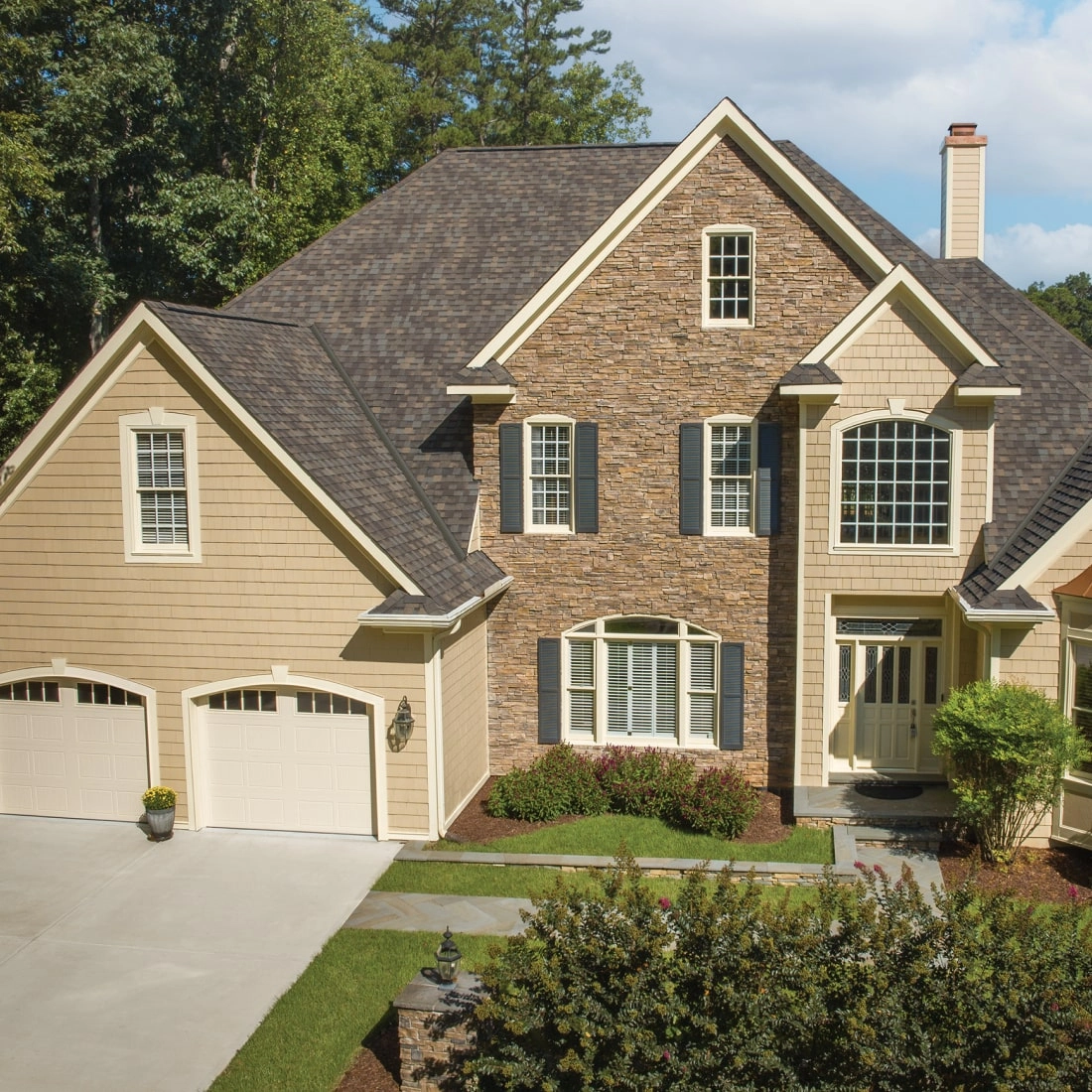 View Product
View Product






IKO has been family-owned for four generations, staying true to its roots from 1951 while continuing to innovate in 2026 and beyond. That consistency is why homeowners and roofing contractors continue to trust our craftsmanship.

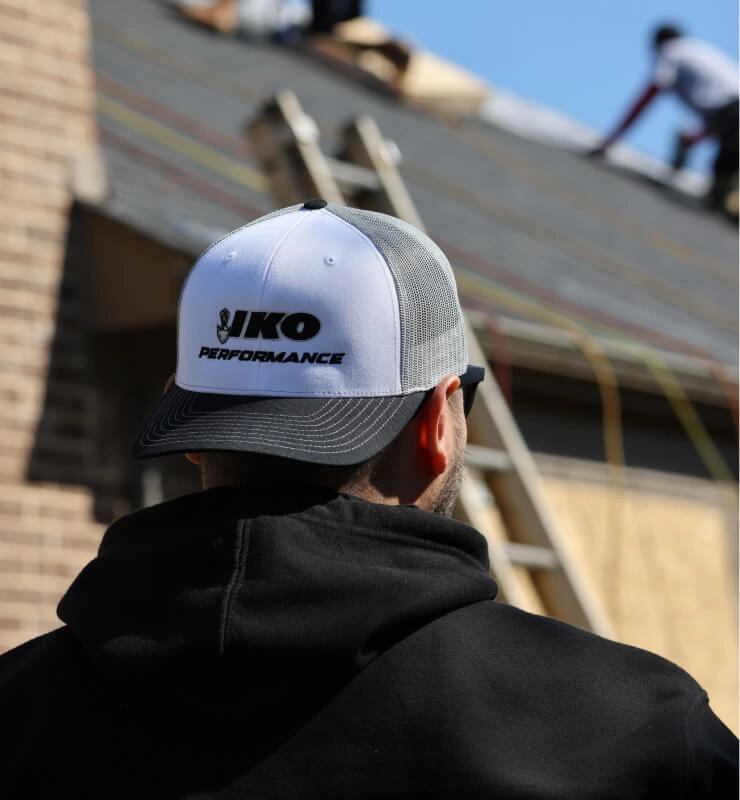

IKO’s Performance line demonstrates our promise of proven performance in every shingle.
Dynasty shingles provide a Class 3 impact rating, while Nordic shingles carry Class 4, the highest possible rating against hail. Featuring a tear-resistant, woven ArmourZone nailing surface, Performance shingles are built to resist high winds and nail pull-through — all in a wide range of vibrant colors to choose from.
There’s no need to compromise protection for beauty. IKO’s Designer line is built for quality and class in one amazing shingle. Whether you’re boosting curb appeal or blending with your home’s architectural beauty, IKO’s Crowne Slate, Armourshake, and Royal Estate lines offer both performance and polish with the assurance of Impact Resistance* ratings.
IKO Architectural shingles give your home a more dimensional look that stands up to inclement weather. Our Cambridge and Cambridge Cool Colors lines feature high-quality construction, from a resilient fiberglass core to exceptional FastLock® bonding that prevents shingle lift. Plus, built-in algae resistance keeps your roof looking fresh for years to come. Available in a full range of colors and in Cool Colors for select markets, IKO Cambridge shingles remain among our most popular.
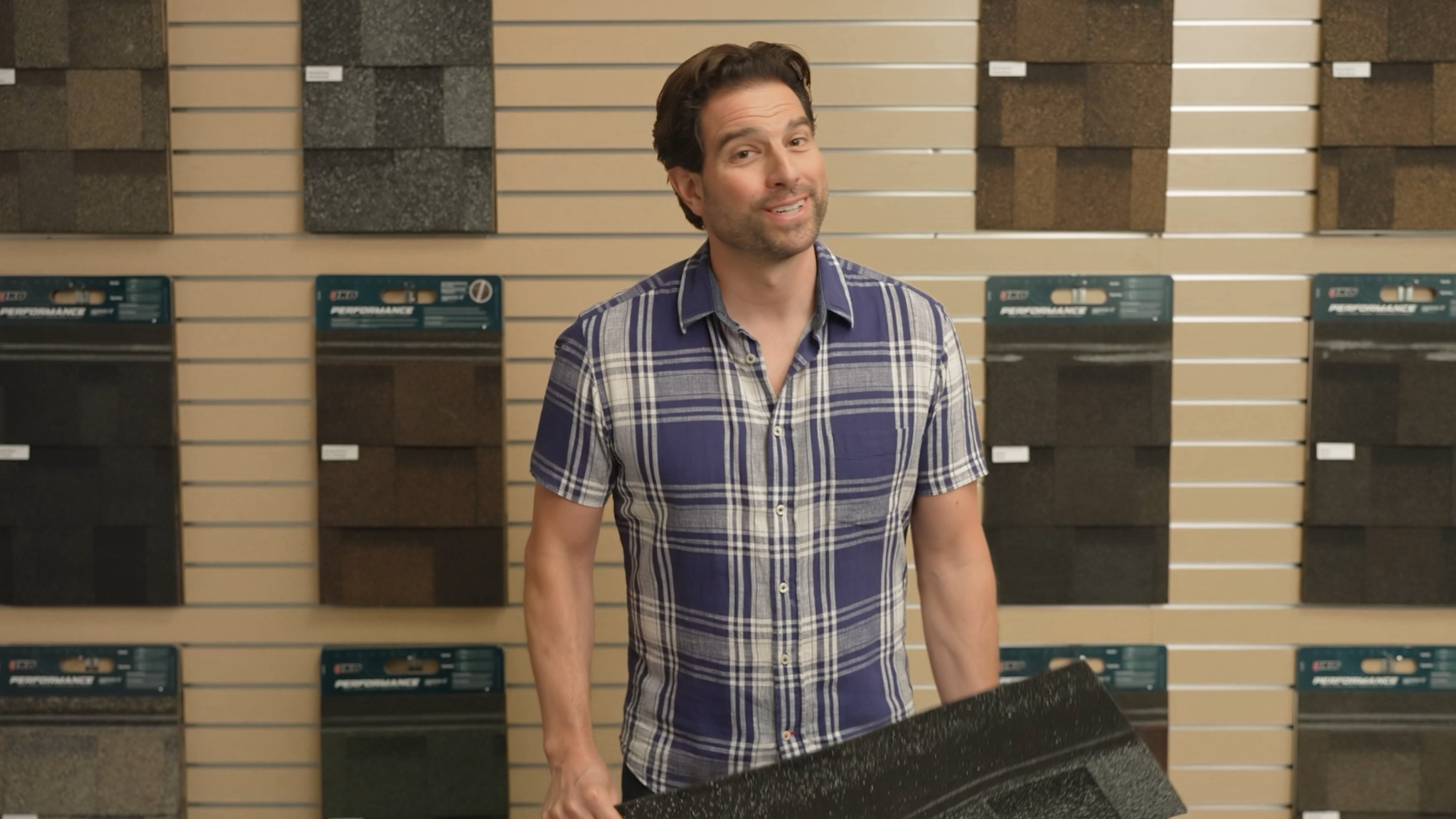
Our Performance shingles are made with ArmourZone technology and feature a limited wind resistance warranty of 130 mph.

The Impact Resistance ratings are solely for the purpose of enabling residential property owners to obtain a reduction in their residential insurance premium, if available. This is not a guarantee of impact resistance against hail. Damage from hail is not covered under the limited warranty.
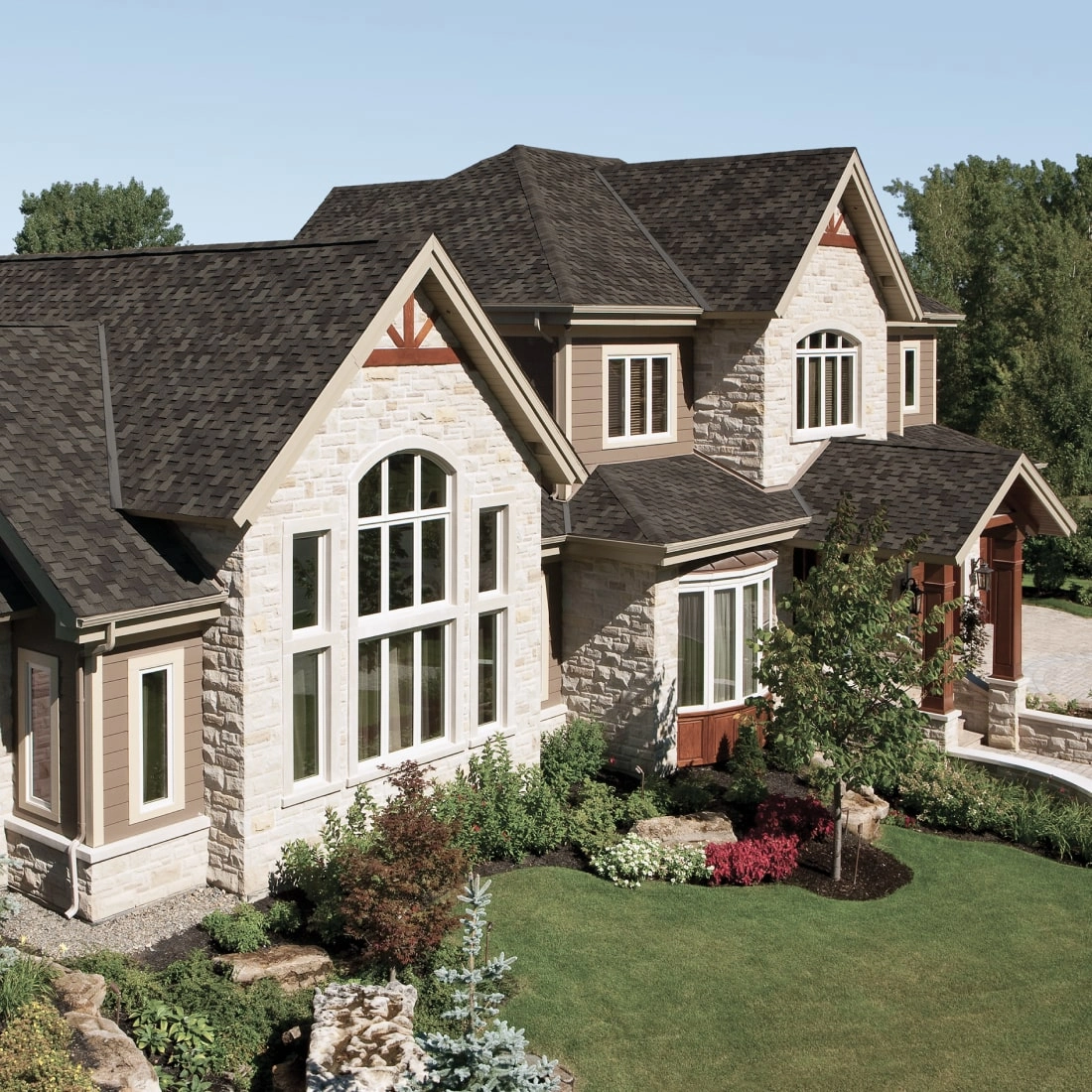
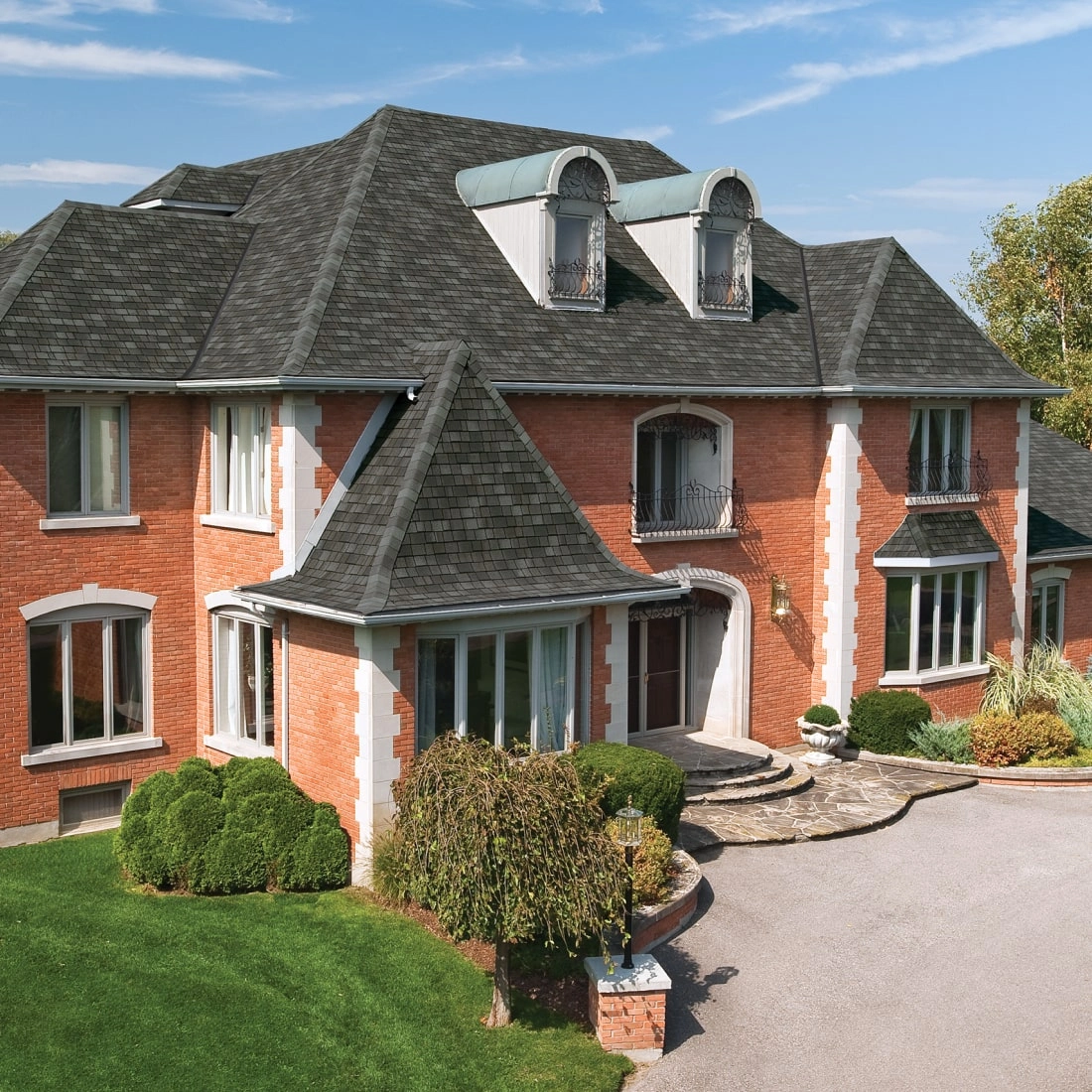
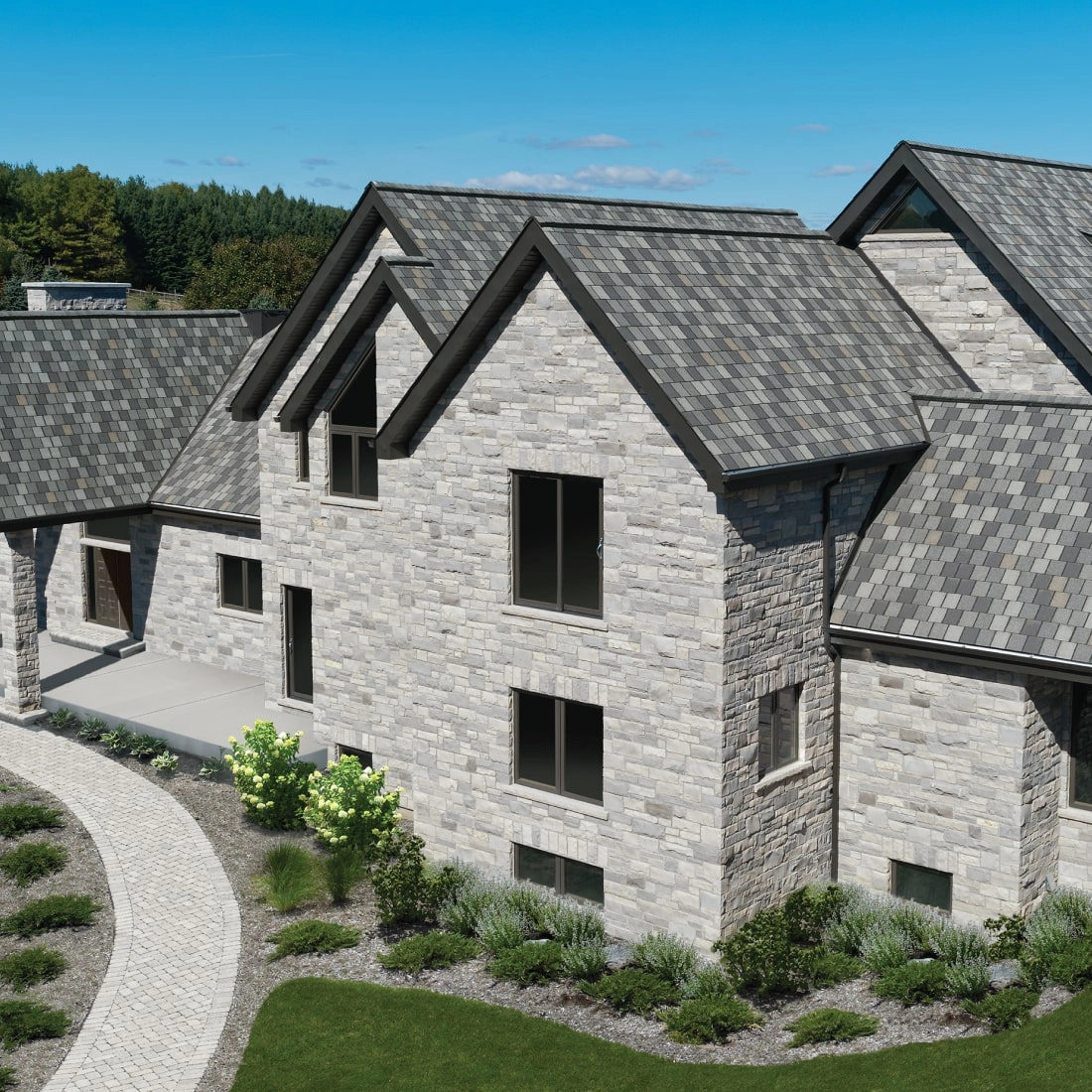
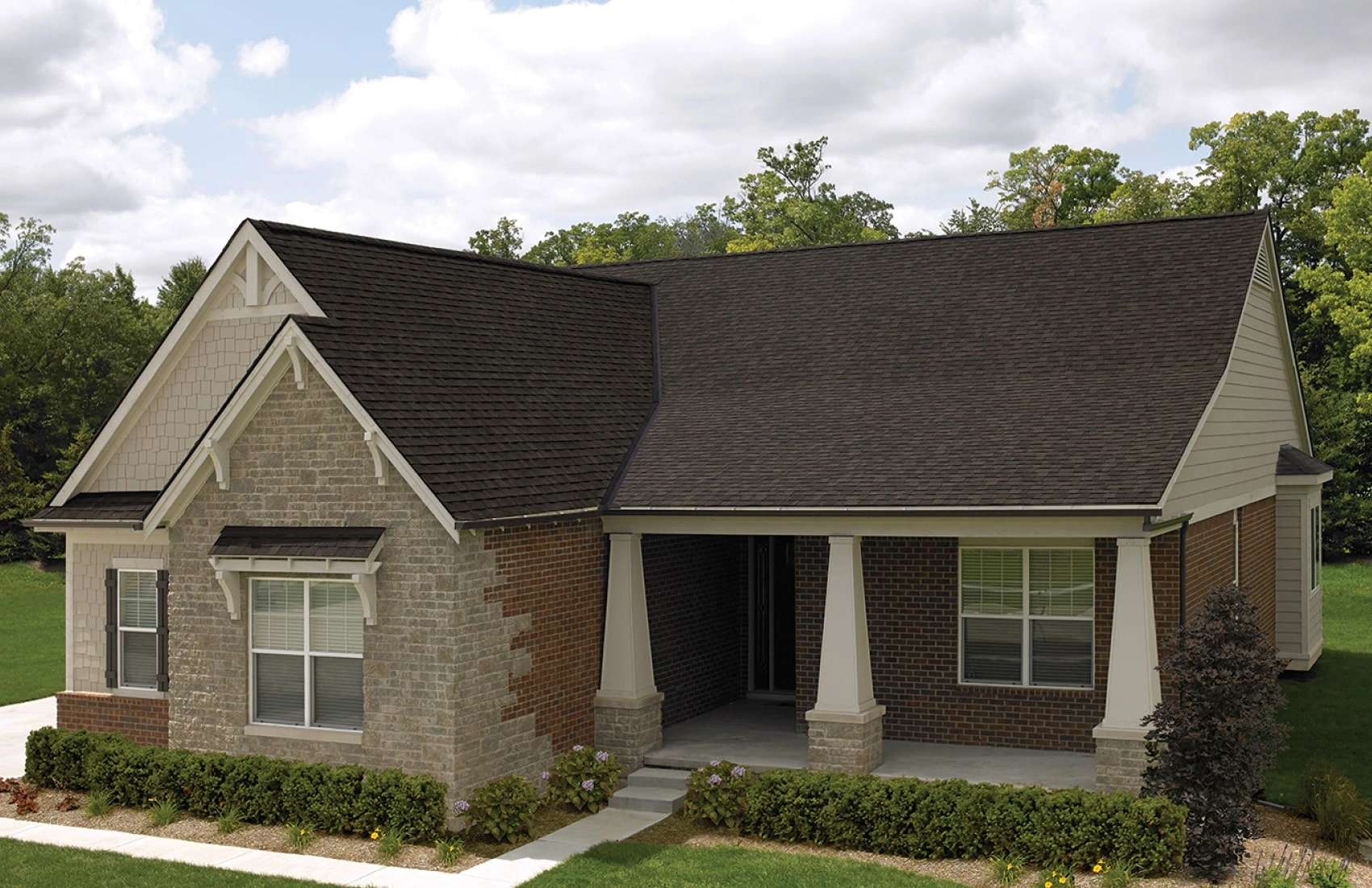
See for yourself how reroofing can transform the look of any home. Tour our gallery to get an idea of what your home could look like with an IKO roof.
A roof is more than its shingles. Our complete PROFORMAXTM system includes accessories specifically designed to work best with IKO Dynasty shingles.
Curious about how a new roof color will look on your home? Use our ROOFViewer® tool to get a preview of what your home might look like.


Discover trusted roofers near you. Check reviews. Get quotes.
Browse our products, shingle colors and home gallery.