 Find a Contractor
5 Myths About Asphalt Roofing
When it comes to choosing the perfect shingles for your home’s roof, there’s no shortage of information to guide you to make the right decision. Unfortunately, not all of this information is accurate.
Homeowners often hear roofing shingle myths that lead to confusion when making decisions about their choice of material — particularly when it comes to asphalt shingles.
To make smart, long-term choices, it’s important to separate fact from fiction. That’s why we’ve pulled together some of the most common misunderstandings to set the record straight with real asphalt shingle roofing facts you can trust.
Myth #1: Asphalt Shingles are Better Than Fiberglass Shingles
Asphalt shingles are fiberglass shingles. Modern asphalt shingles do have fiberglass, which is used for a mat core that creates a lightweight, durable and fire-resistant base for the shingle.
Vince Carrier, Residential Product Development Manager of IKO North America, believes this misconception comes from a time when both organic and fiberglass shingles coexisted.
“Organic shingles were made with an organic mat made from paper, wood fiber or other organic recyclable materials to create the organic mat that would be saturated with asphalt and then coated with asphalt and granules. Fiberglass mat doesn’t absorb since it’s not organic, therefore, its fibers are coated with the asphalt, encapsulating the fiberglass mat before having granules applied.”
Some governments have placed workplace exposure limits on fiberglass, but there is no known risk of long-term exposure.
What Are Asphalt Shingles Made Of?
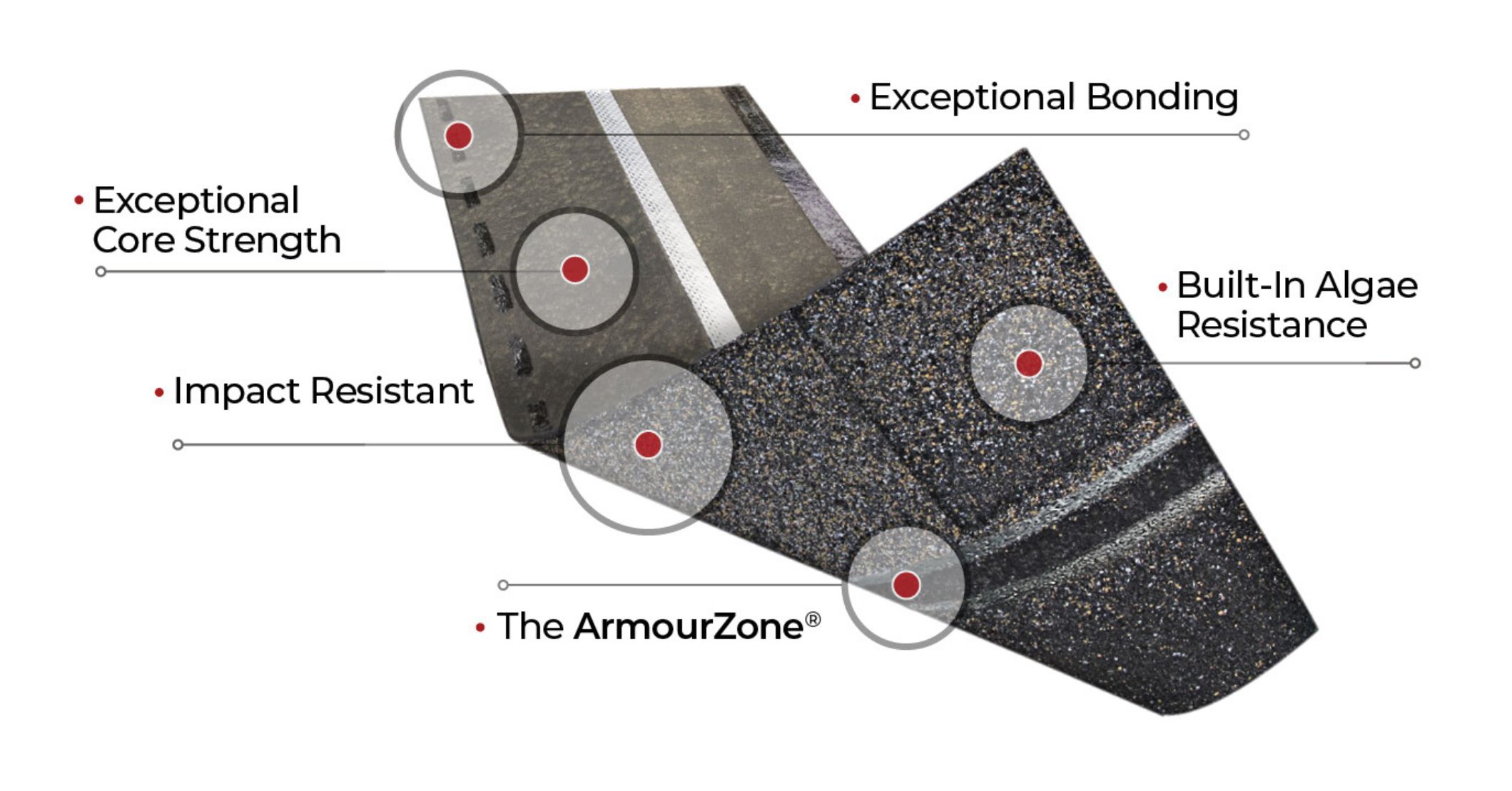
Asphalt shingles are made of five main components:
- Fiberglass mat.
- Asphalt coating.
- Granules.
- Thermally-activated sealant.
- Release film to protect shingles from sticking together.
Asphalt shingle composition is optimized to ensure shingles are lightweight and perform in intense weather conditions. The best part? This combination of materials also makes asphalt shingles affordable compared to other roofing materials.
Myth #2: Asphalt Shingles are Made with Asbestos
Modern asphalt shingles do not contain asbestos — and IKO shingles have never contained asbestos.
Asbestos was originally used in shingles for its insulation and fire-retardant properties. However, years of research have shown that major diseases and health effects are associated with asbestos exposure, including lung cancer, mesothelioma and asbestosis.
When Was Asbestos Used?
While shingles with asbestos were commonly used between the 1920s and 1980s, the United States banned asbestos in 1989, while Canada banned or severely restricted its use by 1990 (though the final official ban came in 2018).
If you’re worried your roof may have old asbestos roofing material, contact a professional contractor to inspect the shingles. If you have shingles from before the turn of the century, that’s just a sign you need a new roof.

Myth #3: Asphalt Roof Warranties Equal the Roof’s Lifecycle
When you hear that your new roof’s shingles have a “30-year warranty”, you may assume this means your roof will last 30 years. This is not the case.
According to Vince Carrier, there are simply too many variables that impact the lifespan of a roof, including the geographic area, roof pitch, ventilation, insulation and surrounding environment.
The duration of a manufacturer’s warranty communicates how long the manufacturer will provide coverage for manufacturing defects. Installation warranties, if any, are provided by the roofer who installs your shingles.
Myth #4: Shingles Losing Granules Is Always a Bad Sign
As mentioned above, granules are one component of asphalt shingles. Shingles losing granules is ok and normal — at least when they’re first installed.
During the roofing manufacturing process, excessive amounts of granules are used to provide total and complete coverage of the shingle. Naturally, some of those granules will fall off if they don’t adhere to the asphalt layer below. So don’t worry if you see granules in your gutters and downspouts while doing regular roof maintenance — it’s likely just the excess granules rolling off.
What you don’t want is excessive granule loss. This can be caused by foot traffic on your roof, hail damage, and other impacts. The easiest way to tell if your roof is experiencing too much granule loss is if you notice bare spots of asphalt on certain shingles.
Depending on the age of your roof, it could be time to replace it or inform the manufacturer of the concern through your warranty.
Myth #5: Asphalt Shingles Take a Long Time to Seal
Asphalt shingles can seal quickly thanks to IKO FastLock® Sealant. Activated by the ambient heat from the sun, this sealant is integral to the roof sealing process, giving shingles a better grip to surrounding layers of shingles. Combined with professional application practices, the result is a shingle that is designed to stay on, fighting uplift and blowoff from strong winds.
In colder weather climates, it may take longer for the sealant to seal roof shingles and manual sealing may be required.
Know the Truth About Asphalt Shingles
Many roofing shingle myths are based on outdated information or simple misunderstandings. By knowing the truth and relying on verified asphalt shingle roofing facts, you can feel confident in choosing materials that deliver durability, affordability and long-lasting protection for your home. Because when it comes to your roof, knowledge isn’t just power — it’s peace of mind.