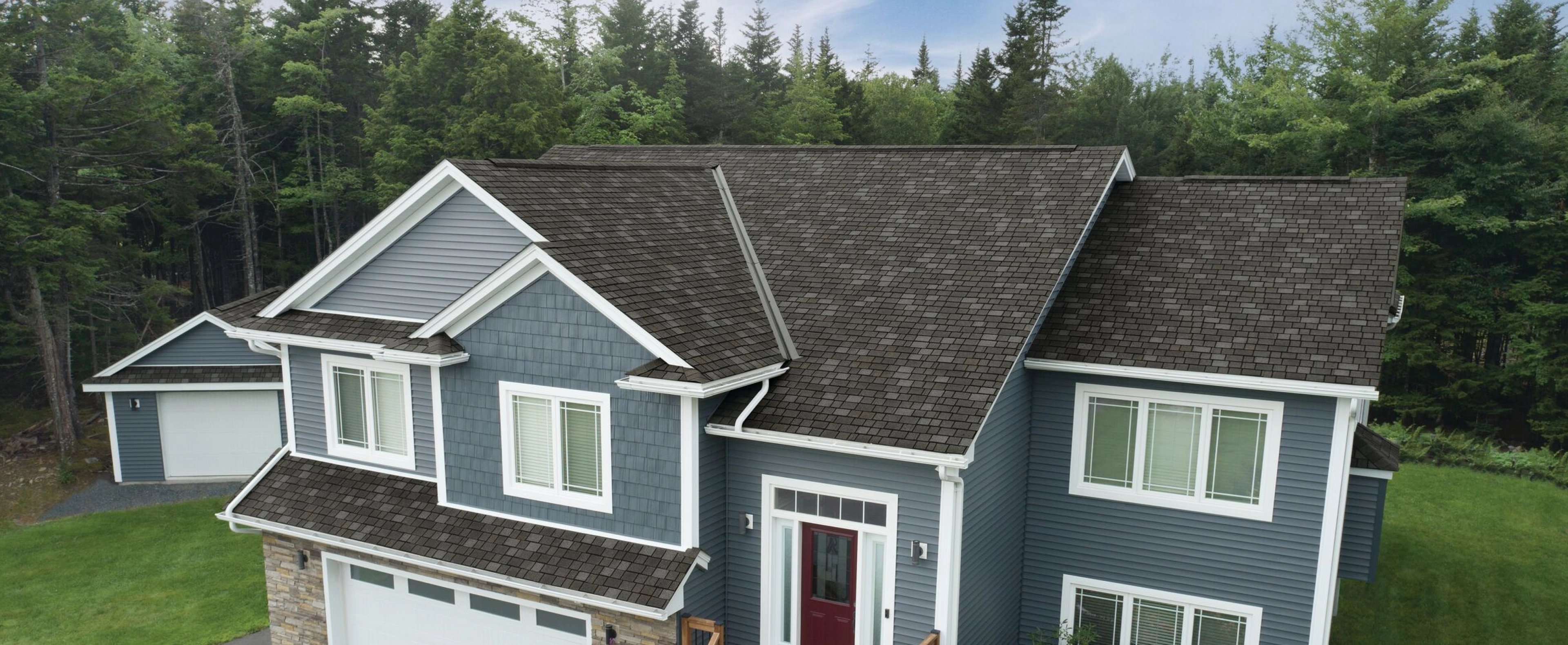
Since 1951, when Isidore Koschitzky founded IKO in Calgary, Alberta, the company has built its reputation shingle by shingle, growing from a single Canadian plant into a vertically integrated manufacturer with more than 35 facilities across North America and Europe.
Now in its fourth generation of family ownership, IKO still operates on what its team calls ‘thinking in generations’, investing in plants, products and people the way a company does when it expects to be around for decades, not just quarters. That point of view is the foundation of a promise IKO makes to every homeowner and contractor who chooses its shingles.
In 2025, IKO gave that promise a name: Proven Performance™. It’s the idea that seven decades of manufacturing experience means we’ve seen just about everything Mother Nature can throw at a roof. It means our in-house material control and continuous product innovation should show up in something homeowners and contractors can actually see and trust — a roof that performs the way it’s supposed to.
Why Choosing the Right Roofing Manufacturer Matters
The roofing manufacturer behind your shingles shapes their quality, consistency and how well they perform, which is exactly why not all roofing shingle brands, or even top roofing companies, are interchangeable. Choosing a manufacturer that controls its materials and processes means fewer surprises, more reliable supply and a product built to perform for both homeowners and contractors.
What Influences a Roofing Product’s Quality?
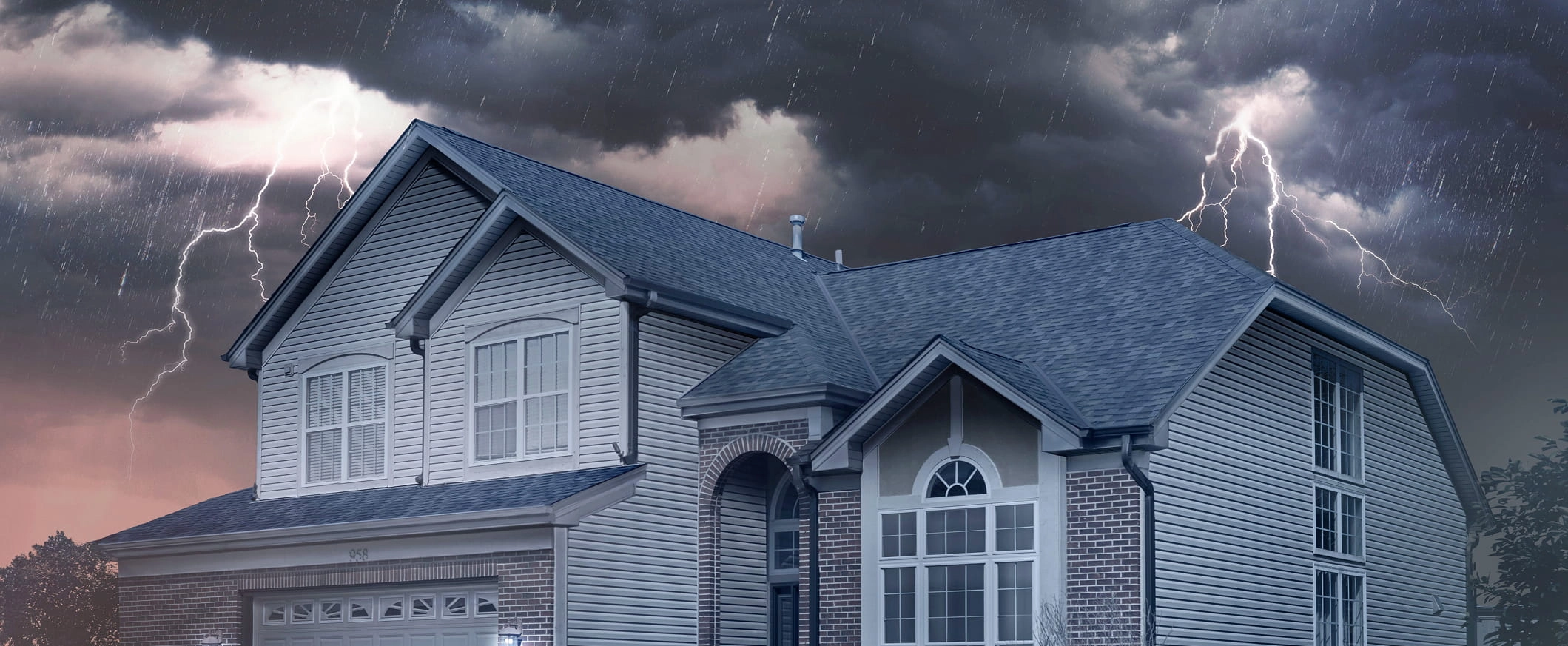
The ultimate test of the best asphalt roofing shingles is whether they can stand up to the environment and continue to protect a home year after year.
As shingles have evolved over the years, so have expectations for quality. In the past, qualities like blue-green algae resistance and UV protection set shingles apart. These features are now ubiquitous in the industry (it’s surprising if a shingle doesn’t have them).
Today, the conversation centers around severe weather performance, particularly wind resistance, impact resistance and a variety of other factors.
Wind Resistance
The Insurance Institute for Business & Home Safety (IBHS) has found that one of the most important factors affecting high-wind performance for asphalt shingles is the strength of the seal between shingles. Temperature-activated sealants adhere shingles together after sufficient exposure to the heat of the sun. Note that shingles can still require hand-sealing due to a number of climatic, geographic or building design factors.
These sealant improvements can qualify shingles for an ASTM D7158 rating. Shingles with ratings worth investing in often carry between a Class D (≤ 116 mph/187 km/h) and a Class H (≤ 194 mph/312 km/h).
Impact Resistance
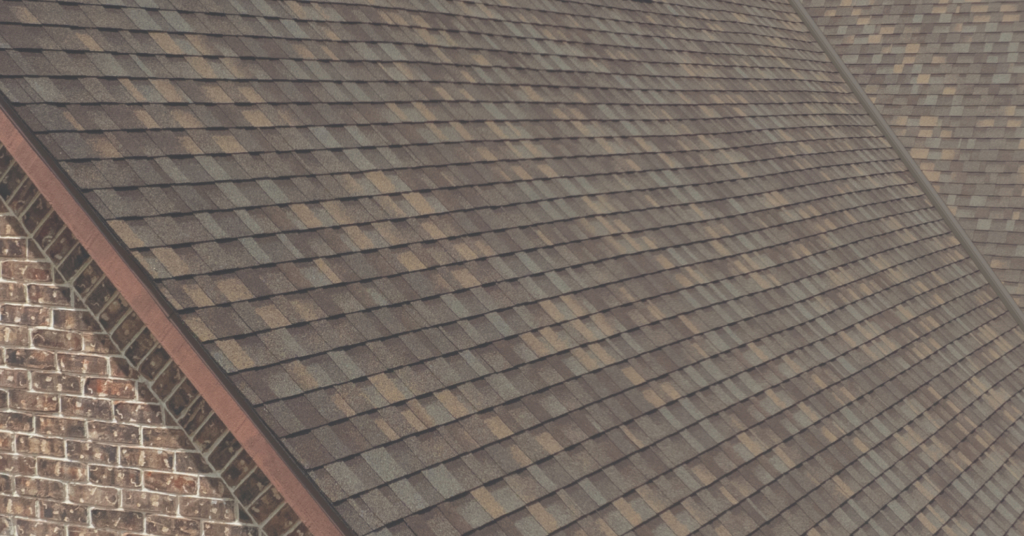
Today’s asphalt shingles are frequently made with a durable fiberglass mat, thick asphalt coating and polymer-modified asphalt that’s more flexible and resistant to hailstone impact. The UL 2218 standard uses tests to evaluate and classify the impact resistance of roofing materials. Class 3 and Class 4 shingles are often considered impact-resistant and can perform in severe weather.
Other Factors
A shingle’s quality also depends on a few other factors:
- Manufacturing Consistency: A roof is only as strong as its weakest shingle. Consistent manufacturing is what keeps every one performing the same way.
- Raw Material Quality: Shingles are made of several different materials, like asphalt, fiberglass and granules. Every additional material introduces room for error and inconsistency, which is why high-quality shingles start with manufacturers who maintain control over each one.
- Different Types of Roof Shingles: Not all shingles are created equal, and weighing the different types of roof shingles is part of the decision. Some are designed to be design-forward, sacrificing performance for aesthetics. Others are made from different materials altogether, like metal or slate, which introduce new variables. Comparing shingle lines side by side is a useful way to see how roof shingle types stack up against each other.
What Homeowners and Contractors Should Look For in a Shingle
When evaluating shingles, homeowners and contractors shouldn’t judge a shingle on a single feature. The full picture matters more. Consider the answers to the following questions:
- What wind speeds and severe weather patterns is your region prone to?
- Is the shingle built for performance, aesthetics, or both? Which matters more for this roof?
- What kind of technical support does the manufacturer provide if an installation issue comes up?
- What is the manufacturer’s track record and how readily available is the product through local distributors?
It’s also wise to brush up on common misconceptions about asphalt shingles — qualities you might have heard are important may not be the priority.
How IKO’s Vertical Integration Delivers
Most manufacturers control just a part of the shingle-making process and rely on outside suppliers for the rest. As a premier roofing company, IKO takes a different approach, owning the materials, processing and manufacturing behind every shingle. That commitment now spans plants across North America and Europe, serving all 50 US states, all 10 Canadian provinces and more than 40 countries.
“The philosophy dates back to our founder, who early on was purchasing raw materials from a competitor. As IKO grew, that supplier decided to cut him off. He learned an important lesson: if you want to control your future, you need to control your supply chain.”
Jack Gottesman,
Brand and Marketing Director, IKO
Who Makes IKO Shingles and Where Are They Manufactured?
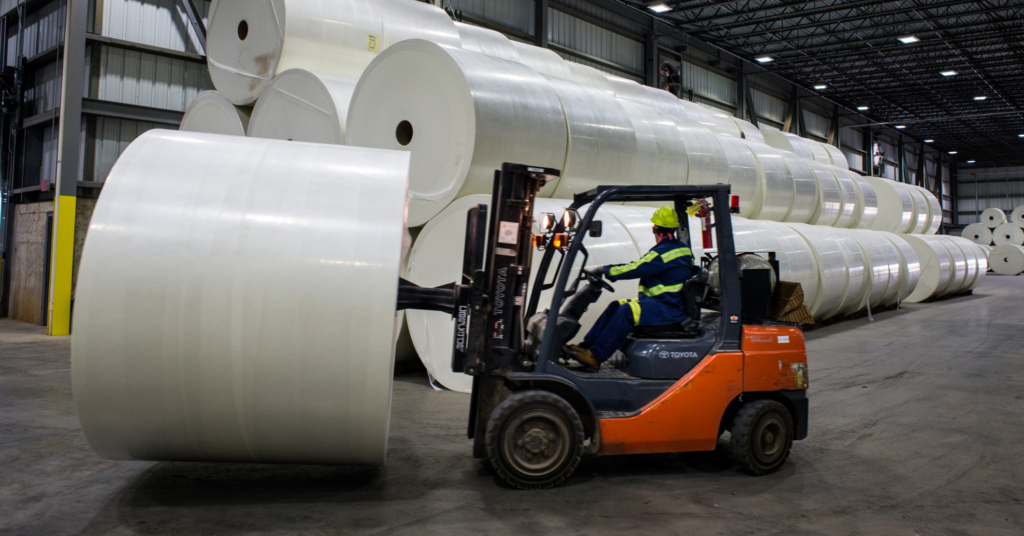
IKO owns virtually every part of the shingle manufacturing process with plants across the US and Canada, built on over 2 million square feet.
Thanks to facilities found across North America, IKO maintains close ownership of the manufacturing process. With granule operations on opposite sides of Canada, plus a fiberglass mat plant in Chester, South Carolina, IKO is never far from the resources that make up its shingles.
This footprint means fewer disruptions for contractors and distributors, since IKO is less exposed to outside-supplier shortages and delays.
The Benefits of a Full Roofing System
A shingle rated for high winds or heavy impact only performs to that standard as part of a complete system. The underlayment, starter strip and ridge cap around it matter just as much.
Research on the fire resistance of roof coverings backs this up: a Class A fire rating comes from how the full roof assembly performs together, not from the shingle alone. That’s the thinking behind the IKO System, a full line of accessories engineered to work with IKO shingles rather than sold as generic add-ons.
Roofing System Compatibility and Performance
Mismatched materials create weak points that a single high-quality shingle can’t compensate for. A subpar underlayment can trap moisture, and an incompatible starter strip can undercut wind resistance at the roof’s most vulnerable edge.
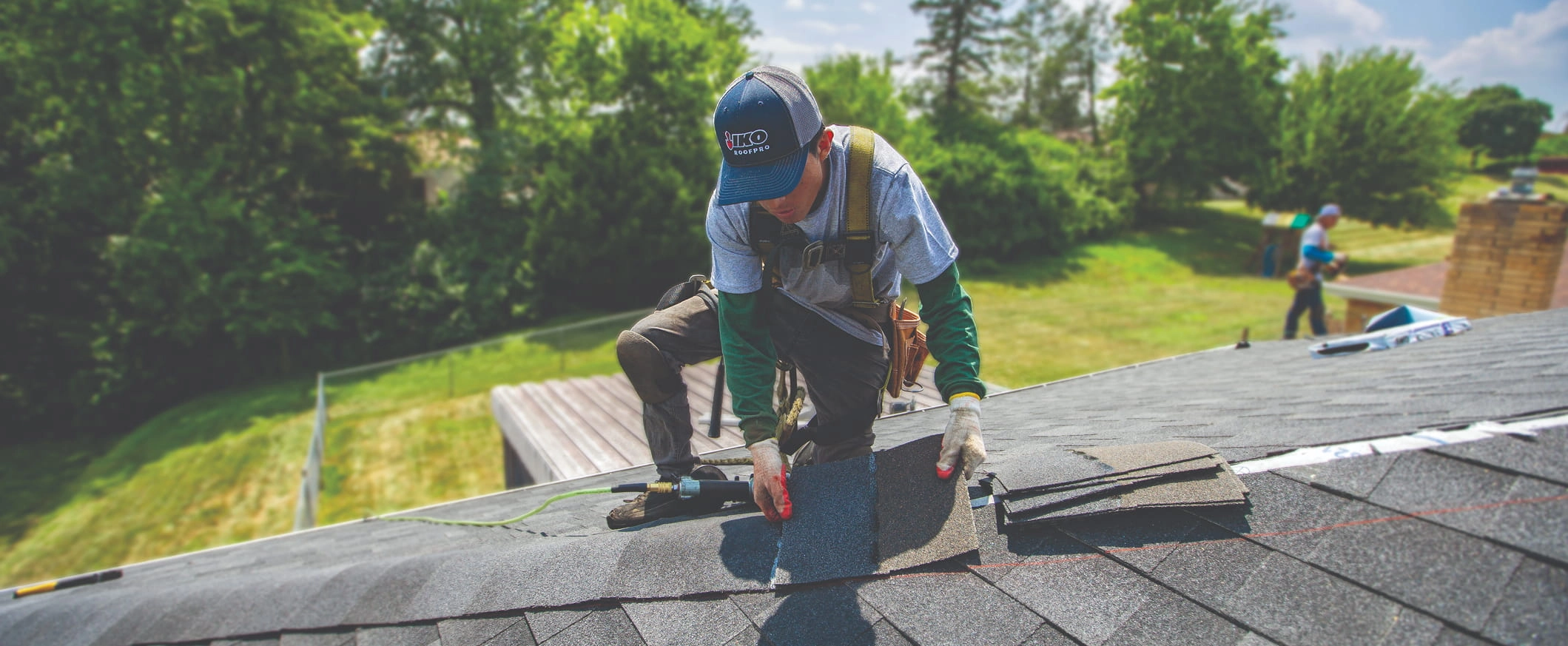
Because IKO controls the manufacturing of nearly all its own accessories, it holds the same quality standards across the whole system, not just the shingle, backed by a level of quality control most single-component suppliers can’t match. Installing a complete IKO system can also unlock additional warranty coverage when installed by an IKO ROOFPRO®. This comes with an added cost. It’s one more reason compatibility is worth checking before the crew ever gets on the roof.
What the Complete IKO System Looks Like
Along with your chosen shingle, a complete roofing system protects at every stage of a roof’s construction.
- StormShield® Ice & Water, GoldShield™ and GoldSeam® form a watertight seal to help protect against ice dams and wind-driven rain.
- Stormtite® Synthetic Underlayment protects the deck as a lightweight vapor guard that helps prevent bumps in the roof’s surface.
- Leading Edge Plus™ roof starters and EdgeSeal® create a tight, straight-edged seal in wind-prone areas.
- Hip & Ridge™ capping shingles, along with UltraHP® ridge products, add dimension along the roofline while shedding water from the peak.
IKO’s Unique Product Offerings
Many shingle manufacturers offer similar core products. A few IKO features go beyond the basics and are part of what puts IKO’s shingles among the best-rated roof shingles on the market.
ArmourZone®
A 1¼-inch nailing band adds a reinforced woven strip to Dynasty® and Nordic™ shingles, giving installers a wider target and helping resist nail pull-through and blow-off, backing limited wind warranty coverage up to 130 mph (210 km/h).
Cooling Shingles
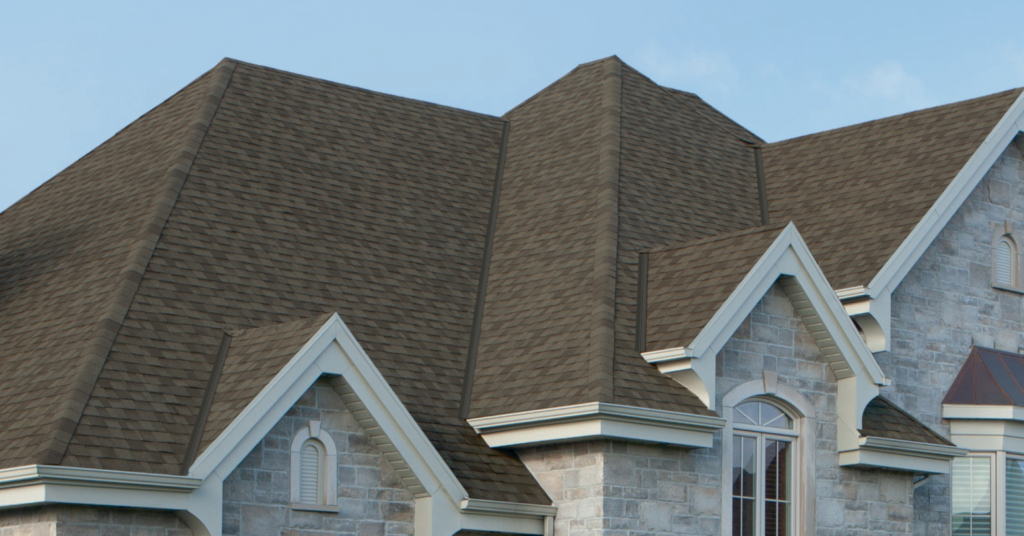
Dynasty Cool Colors™ Plus uses infrared-reflective pigments for a solar reflectance index of 20+, about 25% above California’s Title 24, Part 6 cool roof requirements. Cool roofs stay meaningfully cooler than standard ones, easing cooling costs and slowing heat-related wear without sacrificing Class 3 impact resistance or wind protection.
True Square Advantage
Dynasty, Nordic and Cambridge® shingles ship in a larger “True Square Advantage” size, so three bundles cover exactly 100 square feet, versus the 98.4 square feet many competitors average, cutting waste and installing faster.
Choose Proof Over Promises
A roof is a long-term investment, and homeowners deserve products designed to perform, not just look good on installation day.
A shingle’s performance starts long before it reaches a roof, and it’s ultimately seen and felt in how that shingle performs on yours. Don’t just settle for roof manufacturers that say they make the best roofing shingles. Trust the ones that can prove it.
For a full look at how IKO owns the outcome of Proven Performance, check out the video below explaining its vertical integration.
Hi, I’m Jack from IKO.
While you may know IKO as a global leader in the manufacturing of residential and commercial roofing products, our family-owned company was actually started in Canada in 1951.
We made our first asphalt shingle in 1954 and haven’t looked back. Today, IKO has over 15 North American manufacturing plants, which are built on over 2 million square feet of operational excellence, strategically located throughout the US and Canada.
The products that are made in these facilities serve all 50 US states, 10 Canadian provinces and are exported to over 40 countries across the globe.
We’re grateful that our company’s founders prioritized vertical integration. Because IKO controls most of the processes and materials that go into making our high-quality roofing products, we avoid many of the challenges of supply chain disruption and product shortages that others might face during difficult times.
Think about what goes into a shingle. IKO manufactures our own glass fibers and integrates those fibers into premium fiberglass mat. IKO grinds our own mineral stabilizers and mines our own granules as well. IKO is also unique in the fact that we oxidize and store asphalt on location at all roofing manufacturing plants.
The commitment to vertical integration paves the way for IKO to manufacture a finished product that meets an unprecedented level of quality and consistency.
But what does that mean for you? IKO offers in-house quality control for consistent, superior products resulting in fewer costly returns, callbacks or delays for distributors and contractors. And you always deal directly with us. If there’s a problem somewhere in the supply chain, we will likely own it.
With our “practically everything under one roof” approach, we can ensure convenient ordering and faster product delivery.
Vertical integration matters not only to you the contractor, but to your customers as well. Vertical integration benefits homeowners because the efficiencies gained by IKO enable us to cost-effectively manufacture an asphalt-rich, heavyweight shingle product with an unprecedented level of color consistency. In other words, IKO makes a better finished product.
Want to learn more? Check out our videos or reach out to your local IKO sales rep today.
IKO takes a different approach by owning the materials, processing and manufacturing behind every shingle. Most manufacturers control just part of the process and rely on outside suppliers for the rest. That commitment spans plants across North America and Europe, serving all 50 US states, all 10 Canadian provinces and more than 40 countries.
The best roofing shingles for residential homes stand up to the environment and continue to protect the home year after year. The climate around your home ultimately determines what roofing shingle will be best. For example, homes built in hail-prone areas will want a shingle with an impact resistance rating of Class 3 or Class 4.
IKO controls its materials and processes, meaning fewer surprises, more reliable supply and a product built to perform. IKO’s vertical integration also means fewer disruptions for contractors and distributors, since it’s less exposed to outside-supplier shortages and delays. Installing a complete IKO system can also unlock additional warranty coverage when installed by an IKO ROOFPRO® for an additional cost.
Wind resistance (seal strength between shingles, ASTM D7158 rating), impact resistance (fiberglass mat, asphalt coating, polymer-modified asphalt, UL 2218 Class 3/4), manufacturing consistency, raw material quality and the type of roof shingle chosen.
Not all roofing shingle brands are interchangeable — the manufacturer behind the shingles shapes their quality, consistency and performance. A manufacturer that controls its materials and processes means fewer surprises, more reliable supply and a more reliable product.
It means owning the materials, processing and manufacturing behind every shingle rather than relying on outside suppliers, which reduces disruptions from outside-supplier shortages and delays and lets a manufacturer hold consistent quality standards across the whole system.
Through manufacturing consistency (a roof is only as strong as its weakest shingle) and raw material quality control. Every additional material introduces room for error, so high-quality shingles start with manufacturers who maintain control over each one.
Many shingle manufacturers offer similar core products, but IKO includes features that go beyond the basics: ArmourZone® (reinforced nailing band backing wind warranty coverage up to 130 mph), Dynasty® Cool Colors™ Plus (solar reflectance index 20+, about 25% above California’s Title 24, Part 6 cool roof requirements) and True Square Advantage (three bundles cover exactly 100 square feet vs. 98.4 for many competitors) with Cambridge, Dynasty and Nordic shingles.
Consider the following questions. What wind speeds and severe weather patterns is the region prone to? Is the shingle built for performance, aesthetics or both and which matters more? What technical support can the manufacturer provide if an installation issue comes up? What’s the manufacturer’s track record and product availability through local distributors?