How Roofers Can Support Disaster Relief and Recovery Efforts
Across North America, communities continue to face escalating threats from natural disasters. Each event leaves behind significant challenges, which then puts the responsibility on the community — often including roofing contractors like you — to rebuild the area.
Aside from following best practices for installing roofs that are better suited for natural disasters, how can you as a roofer contribute to recovery efforts?
Natural Disasters that Require Relief Efforts
When disaster strikes, the range of emergencies — from extreme heat and winter storms — require coordinated relief efforts. Government programs, like the Federal Emergency Management Agency (FEMA) in the United States or Public Safety in Canada, provide guidance and support for affected communities, but it is also up to local organizations to offer aid for those affected.
For all types of disasters, assessing structural damage is a high priority for all of your customers. Best practices include documenting all storm damage and encouraging homeowners to contact insurance agencies and register with local disaster assistance portals before making emergency roof repairs.
Consider these three types of disasters and how communities respond to them.
1. Fires
Wildfires are incredibly destructive and difficult to contain due to fire’s unpredictability. When it comes to roof damage, homes affected by wildfires will often have charred, missing or melted shingles. There may also be signs of water damage on the roof or in the attic from any firefighting efforts.
The Washington Lower Sugarloaf Fire, which began in September 2025, destroyed many homes and required significant relief efforts. The 2025 wildfire season in Canada, which saw nearly 6,000 square kilometers burned in Ontario alone, has also been disastrous, but inspired many in the community to take action.
Disasters like these require immediate disaster relief to survivors. This involves going directly to the locations affected by the wildfire to help evacuate individuals or guide them towards relief centers. Those displaced by wildfire may also need further assistance, like finding lodging, getting meals and receiving first aid. Clearing debris from burned-down homes may be required as well.
2. Severe Storms
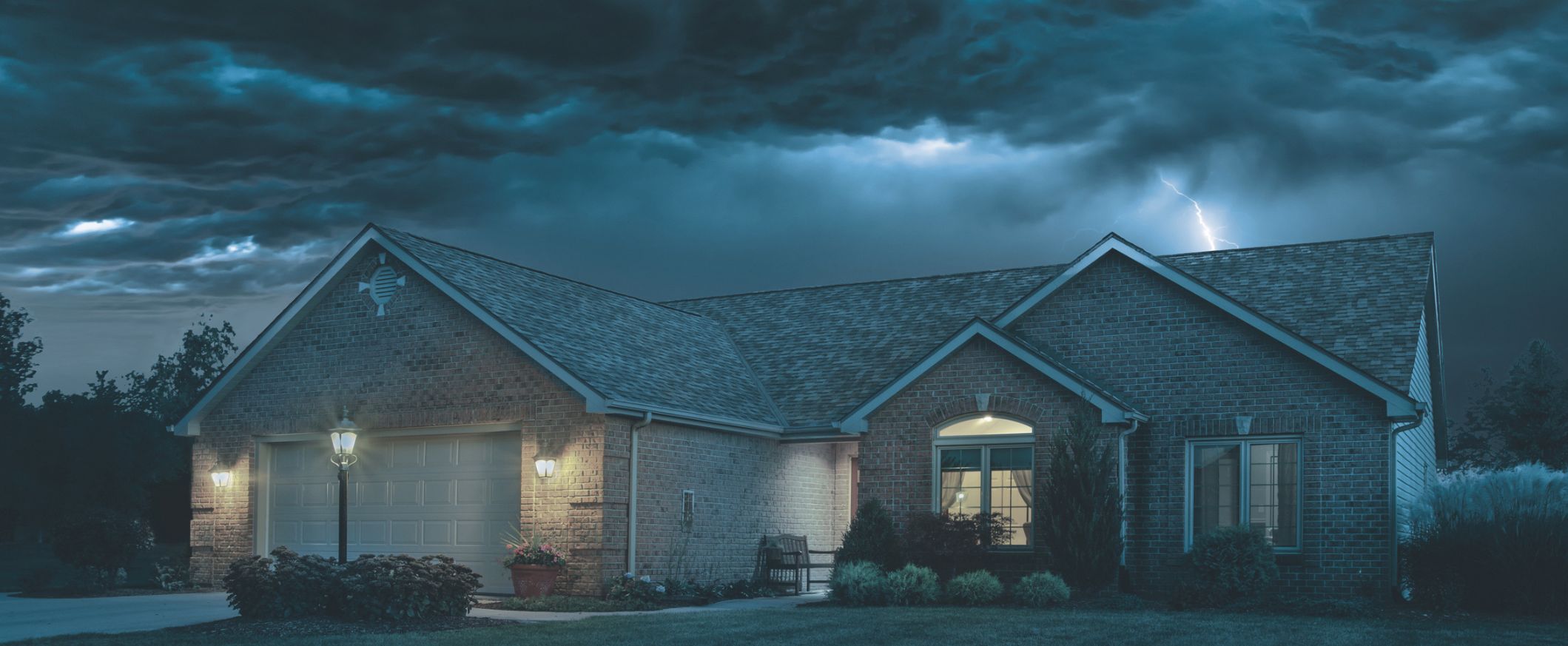
Severe storms, like tornadoes, severe thunderstorms, hail storms, flooding and straight-line winds can tear through communities. The severe storm that affected the Crow Tribe of Montana in May 2025 inspired local nonprofit organizations to rally for emergency work, repairing and replacing facilities damaged by the severe storm, straight-line winds and flooding.
Like wildfires, the damage from severe storms can be unpredictable. Providing temporary or short-term shelter, financial assistance, food banks, blankets and other resources can help victims feel safe and secure.
3. Hurricanes
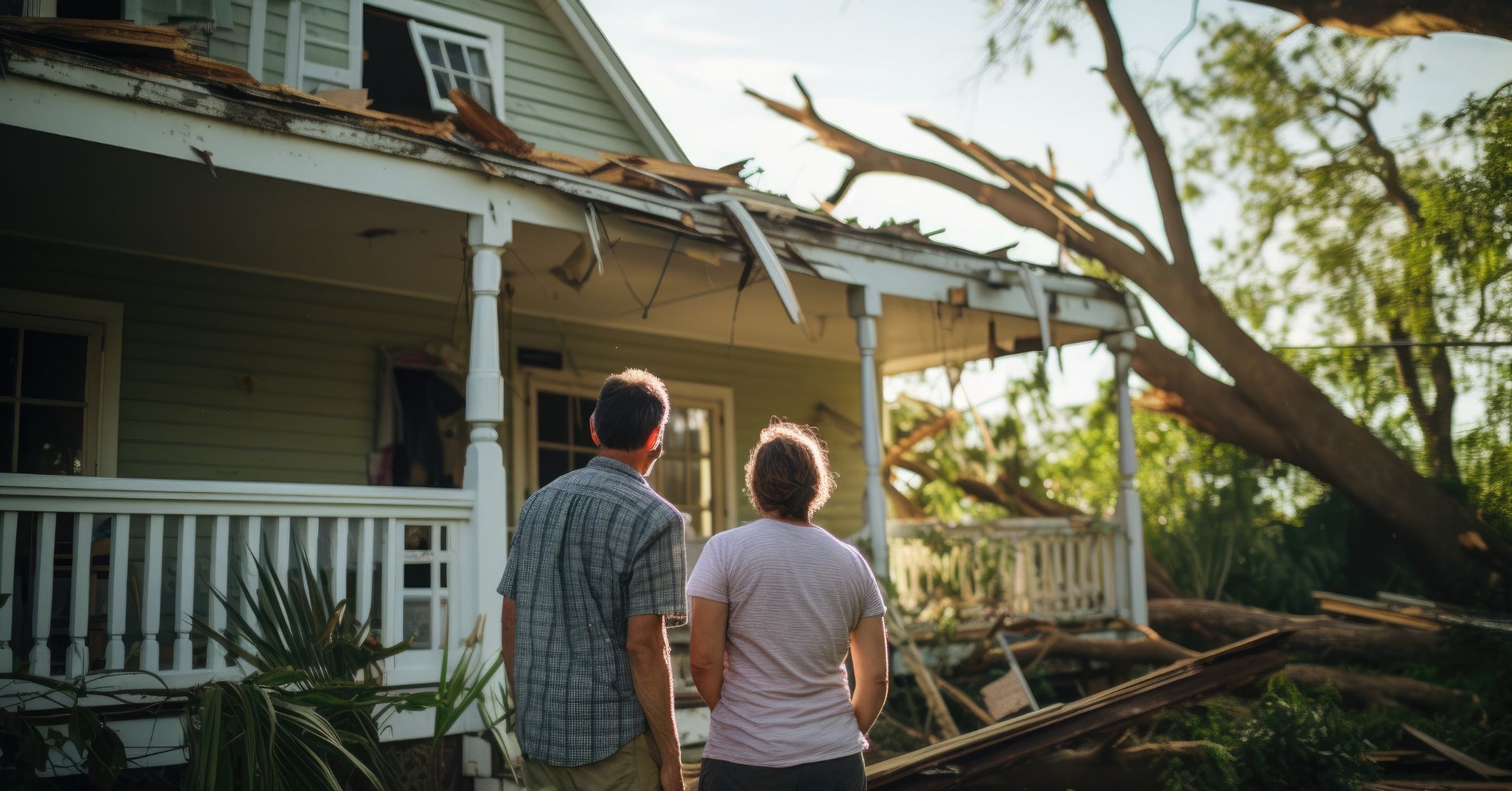
Hurricanes can be incredibly destructive to a large area, often tearing roofs off of homes and causing other structural damage. Hurricane Ida, a Category 4 hurricane that tore through the Gulf Coast in August 2021, proved that hurricanes not only have immediate impacts with flooded homes and downed power lines, it can also compromise the local ecosystem. This can have lasting effects that can threaten lives and property.
Volunteers for hurricane disaster relief will still help with temporary housing and food assistance. It’s also common for victims of hurricanes to get generator assistance — victims of Hurricane Beryl in 2024 were eligible for a generator under FEMA’s Individual Assistance Program.
Building Community Through Disaster Response
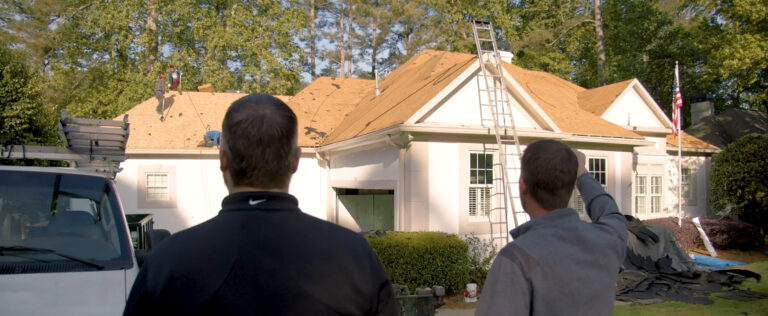
Donating resources or providing discounted labor for disaster response is a great way to contribute to your community. But this nice sentiment can quickly be outweighed by the reality of operational costs and tight margins that come with running a roofing company.
When thinking about your professional development as a business, adding more value beyond the scope of your job description is crucial. This can be more than delivering outstanding customer service — contributing to your community is priceless value that you can offer when disaster strikes.
There are also more tangible benefits to donating or offering your services for an emergency response:
- Tax Deductions for Business Donations: You must donate to a qualified charity in order to get a business tax deduction. These include many nonprofit organizations, religious institutions, educational institutions and certain government agencies.
- Positive Brand Image: Charitable giving, whether it’s with money or time, shows your community that you’re a part of the team and demonstrates social responsibility that can serve your public image.
- Greater Business Connections: Small businesses like yours often rely on its community to stay in business. Working with that community helps you connect with fellow businesses and nonprofits that can lead you to new opportunities and partnerships.

How to Get Involved
Whether through volunteering, fundraising or contributing materials and expertise, there are countless ways you can support ongoing emergency response efforts:
- Volunteering: Relief organizers rely on volunteers to offer comfort and support to displaced individuals and even rebuild homes. You may help usher people into temporary shelters, serve in food kitchens, or bring supplies to affected communities.
- Fundraising: Joining local fundraising campaigns, either as a donor or as a collector, can have an immediate impact to provide funds for repairs, shelter food distribution and essential supplies. You can either start one of these fundraisers, you may also find campaigns like these through social media, GoFundMe, or the local news.
- Government Programs: In the United States, if a storm or wildfire is declared a disaster by FEMA, homeowners can apply for FEMA aid. FEMA will then help facilitate emergency roof repairs with your services and other critical rebuilding services to restore stability in affected communities. In Canada, Public Safety provides financial assistance to provincial and territorial governments through the Disaster Financial Assistance Arrangements (DFAA).
- Private and Nonprofit Programs: Beyond government assistance, private organizations help with long-term recovery. These include organizations like Team Rubicon (cleanup and rebuilding) and Good360 (connects donations with communities in need). If you’d like to get involved in their cause, visit their website or a local office.
Rebuilding Stronger, Together
Whether it’s contributing to emergency roof repairs, connecting homeowners to government programs, or simply staying informed, everyone has a role to play in preparing for and recovering from disasters. The path to long-term recovery is built not only on funding and infrastructure but on compassion, cooperation and the shared determination to rebuild stronger than before.