Table of Contents:
- 8 Warning Signs You May Need a New Roof
- How to Identify Early Roof Leaks and Hidden Damage
- When to Get a Roof Repair vs a Roof Replacement
- When In Doubt, Call It In
Your roof takes a beating every single day — sun, rain, wind, hail, ice — and for most of it, you won’t see a thing. No alarms go off. No warning lights flash. The damage just quietly builds until one day you’ve got a water stain on the ceiling or a sagging roofline.
Knowing when your roof is in trouble — and what kind of trouble it’s in — is the difference between a manageable repair and a full replacement. The NRCA’s roofing guidelines are a useful reference for understanding industry standards, but the real starting point is knowing what to look for on your own home.
If you think there’s a problem with your roof, call an inspector or roofing contractor. They will have the tools and knowledge you need to properly assess your roof.
Here’s what the warning signs actually look like, how to catch a leak before it turns into a disaster and how to figure out whether your roof needs a patch job or a full replacement.
8 Warning Signs You May Need a New Roof
You may wonder how to know if your house needs a new roof. Common warning signs range from subtle to incredibly obvious — from small water stains to literally feeling rain fall on your head while you watch TV.
These warning signs don’t always mean your roof has failed — but they do mean something in your home’s moisture management system isn’t working the way it should. Some will point directly to your roof. Others might trace back to ventilation, insulation, roof flashing, plumbing or something else entirely. Either way, they’re worth taking seriously.
We talked to Eric Neill, CEO of Neill and Son Roofing, to get his take on the most common signs homeowners notice when a roofing problem is developing — along with what else could be causing them.
1. Leaks
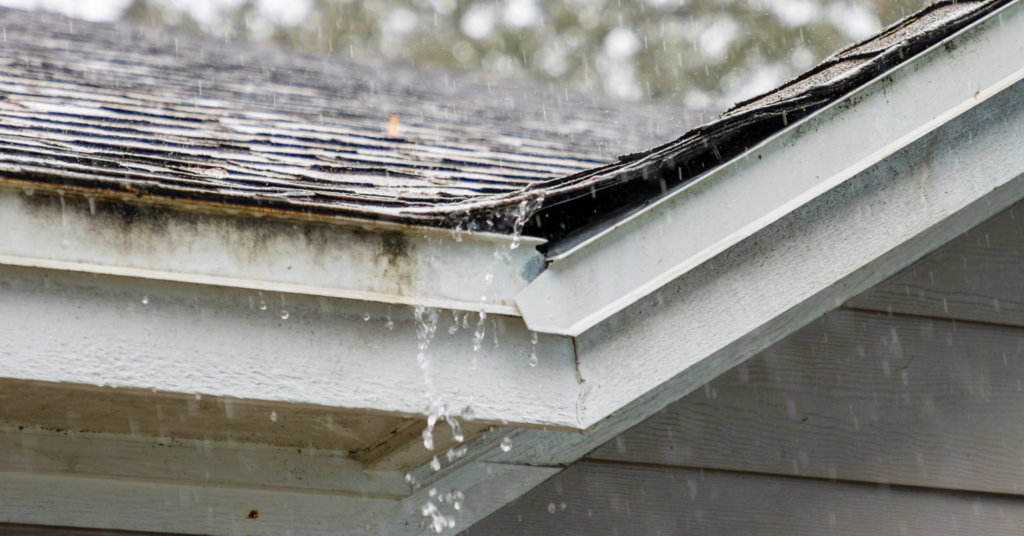
Damaged shingles and roof decks can create points of infiltration. But not every leak that shows up in your attic or on your ceiling starts at the roof. Poor attic ventilation and inadequate insulation can cause condensation to build up on wood surfaces, mimicking the signs of a roof leak. Water can also travel a long way from its source — entering through walls, plumbing penetrations or HVAC components before it ever shows up as a stain.
Always check your attic for water damage after rainstorms. In the winter, watch for ice dams — ridges of ice that form along your eaves and prevent snowmelt from draining properly. Ice dams are often a sign of inadequate attic insulation or ventilation, not just a roofing problem, though they can cause water to back up and seep into your home regardless of the cause.
When a leak does originate from your roof, a common trouble spot is where a horizontal and vertical plane meet — such as where the roof intersects a chimney. Roof flashing helps seal these intersections, but when done poorly, it can let water into your home.
2. Water Stains
White, orange and brown water stains on your ceiling and walls are signs of water intrusion — but the source isn’t always your roof. These stains can result from a previously resolved leak, an active roof leak, condensation problems in your attic, or plumbing and appliance issues on upper floors.
Before assuming it’s a roofing problem, check whether any plumbing lines, bathroom fixtures or laundry equipment run above the stain. Make sure your attic has adequate ventilation and that insulation isn’t trapping moisture. If you’ve ruled out those causes, then it’s worth having a roofing professional inspect for a roof leak. Either way, don’t paint over the stain until you’ve found and addressed the underlying issue — and confirm no mold has developed around the source.
3. Paint Damage
Paint that peels, blisters or swells — indoors or out — is much more than a cosmetic issue. It’s a sign that moisture is getting somewhere it shouldn’t be, though the cause can vary. A roof leak is one possibility, but interior humidity, poor ventilation, condensation from bathroom or kitchen exhaust, and slow plumbing leaks can all produce the same effect on paint.
If you’re seeing paint damage near the ceiling or on exterior soffits and fascia, have a contractor assess both your roofing system and your home’s ventilation before drawing conclusions. Catching the right source early is what keeps a minor fix from becoming a much larger one.
4. Mold
Mold or mildew growth on ceilings or walls could be a sign of a leaky roof, condensation problems or a plumbing issue. Address the issue as soon as possible.
Check that your insulation is dry, your home has adequate ventilation and your bathroom fixtures and plumbing lines aren’t leaking or sweating. Such things may be less costly to correct than a roofing replacement.
5. Moss
If your home is in an area with a lot of rain and is surrounded by trees that shade your home, then you’re more than likely to notice moss growing on your roof.
Moss plants will grow their roots directly into your shingles, which can damage your roof and create new opportunities for leaks. While moss can easily be removed from your roof, excessive growth may be a sign you need a new roof or a repair.
6. Granule Loss
Every shingle is coated with granules that work as a shield against harsh UV sunlight, ensuring your shingles can stand up to the sun. As your shingles protect your roof, these granules naturally begin to shed over time. The result is bare shingles that can become brittle and prone to leaks.
Some granule loss is normal. However, if the asphalt shingles on your roof have relatively large bare patches where the granules have eroded away and exposed the underlying black weathering asphalt to the elements, you will need to replace them. If the problem isn’t limited to just a few shingles, it may well be time for a roof replacement. A reputable contractor can help you decide.
7. Structural Problems
Structural problems in your home, like a sagging roofline, cracks in your walls or uneven and sloping floors, are signs of potentially serious issues. Stress fractures in a home’s foundation can also distort walls and create space for water to sneak in.
According to Eric Neill, structural problems show up in a very different way than other signs of roof damage:
“Structural damage shows up as movement, deformation, softness, sagging, separation or signs that the underlying system is no longer holding its integrity. If a roofline is dipping, if the decking feels soft, if you see interior movement, if flashing lines are separating or if multiple areas are showing signs of moisture intrusion, that is not normal aging. That is a system problem.”
Before you consider a complete roof replacement, make sure the rest of your home is structurally sound — or else you may continue to experience the same issues with a brand-new roof.
8. Hail Damage
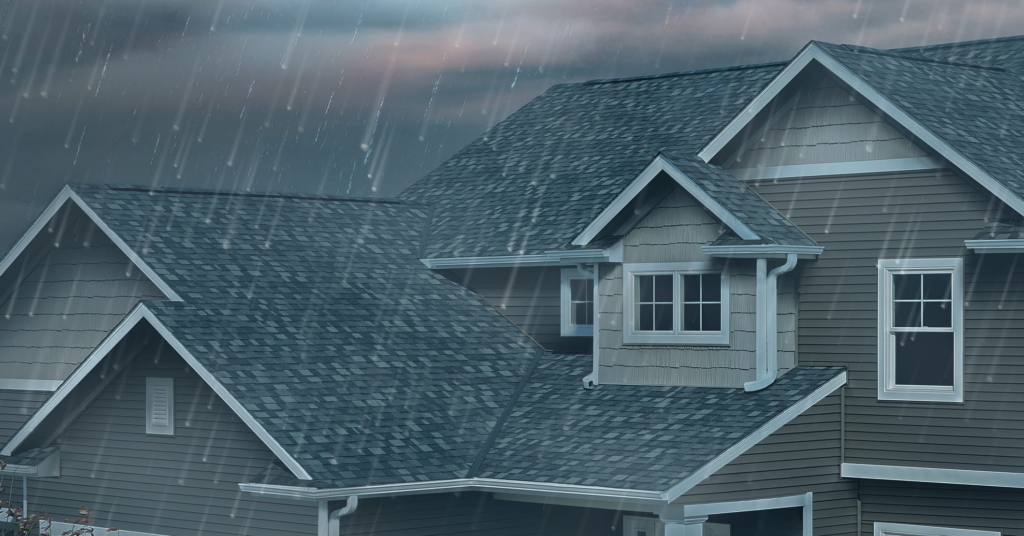
Hail can wreak havoc on your roof. Hail damage varies considerably, based on many factors such as the size and weight of the hailstones, the outdoor temperature (because shingles become more brittle in cold weather) and the angle at which the hail strikes the roof.
Signs of hail damage are fairly obvious — holes and dents in your roof, dented gutters and distortions to your eavestroughs.
The right shingles, like IKO’s Dynasty® or Cambridge® shingles, will come with an impact-resistance rating. While no shingle can withstand the force of hailstones hitting it at velocity without some kind of potential damage, impact-resistant shingles are designed to be more resistant to damage caused by hail.
Please note that impact-resistant shingles don’t offer a guarantee of performance, and damage from hail is not covered under a limited warranty.
How to Identify Early Roof Leaks and Hidden Damage
The earliest signs of a roof leak are rarely dramatic. While you’re waiting to find a brown water stain on your ceiling, water may be pooling in another part of your home.
Eric Neill shared with us several signs people most often miss on their roof inspection checklist when trying to tell when a roof is failing:
- A faint, musty smell in the attic of the upper level.
- Slight discoloration on the wood in the attic.
- Damp insulation.
- Small nail pops (nails popping out of drywall due to shrinking or swelling wood framing) with dark staining around them.
- Condensation that seems excessive or persistent.
- Minor paint bubbling near ceiling corners.
- Small yellowing around the trim or wall-to-ceiling joints.
- A leak that only appears during wind-driven rain, not every storm.
Keep in mind, these warning signs may not directly lead to a leak in your roof. Be sure to check if you have a ventilation problem or an issue with your plumbing system before you start looking for a hidden leak.
How to Find a Roof Leak
While you may notice signs of a leak, actually finding a roof leak is not always as straightforward as you may imagine. Tips for locating hard-to-find roof leaks include using a flashlight to find dark or shiny spots in your attic and inspecting areas where your roof meets other features, like skylights or valleys.
Naturally, a professional will have an easier time with roof leak detection — and will know what to do when they find a leak. If you notice any of the warning signs we’ve listed up until this point, call a roof inspector.
You may also schedule a roof inspection once or twice a year. The benefit of regular roof inspections is having an expert find the early warning signs of a leak, helping you keep roof damage to a minimum and avoiding higher roof replacement costs.
When to Get a Roof Repair vs a Roof Replacement
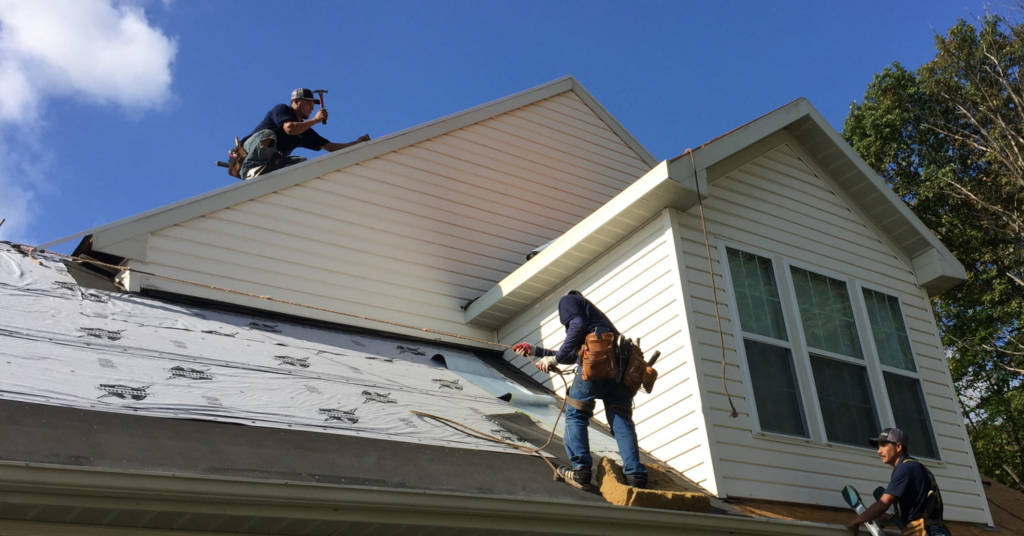
Sometimes it can be difficult to know if you need a new roof or if it just needs to be repaired. While a contractor is best equipped to know the difference, here are some signs to consider.
You can repair your roof if:
- The roof damage or issue is isolated.
- The roof decking is sound.
- The ventilation is adequate.
- The repair can be integrated properly into the existing system.
For example, if a pipe boot failed, a section of flashing lifted above the shingles or a few shingles were damaged by a recent wind event, a well-executed repair by a professional can save your roof.
You should notice and repair this damage during your seasonal roof maintenance — always call a qualified contractor to repair your roof.
Where homeowners get in trouble is when they keep repairing a roof that is already in systemic decline.
You should replace your roof if:
- The roof is showing widespread granule loss and brittleness.
- There have been repeated leaks that can be traced back to your roof.
- There are multiple existing patched sections.
- Prior workmanship was poor.
Put simply: Repair isolated failures. Replace systemic failures.
Always work with roofers, contractors or inspectors who have credentials and reputation you can trust to best assess whether your roof can be repaired instead of replaced or vice versa. Credentials such as NRCIA in the U.S. or HAAG in Canada certify roof inspectors, and are good signs that a roofer has the expertise to make the call on your roof replacement or repair.
When In Doubt, Call It In
If anything in this article sounded familiar, don’t put it off.
A qualified roofing contractor can tell you quickly whether you’re dealing with an isolated fix or a system that’s reached the end of its life. Use IKO’s contractor finder to locate a trusted professional in your area and get a clear picture of where your roof actually stands.